What is the Difference between IPD and OPD?
Know the difference between IPD and OPD in health insurance covering hospitalisation, insurance coverage, claim process, types of treatment and policy selection. Know whether inpatient care is needed, if OPD charges are reimbursed and how to choose the appropriate health insurance.
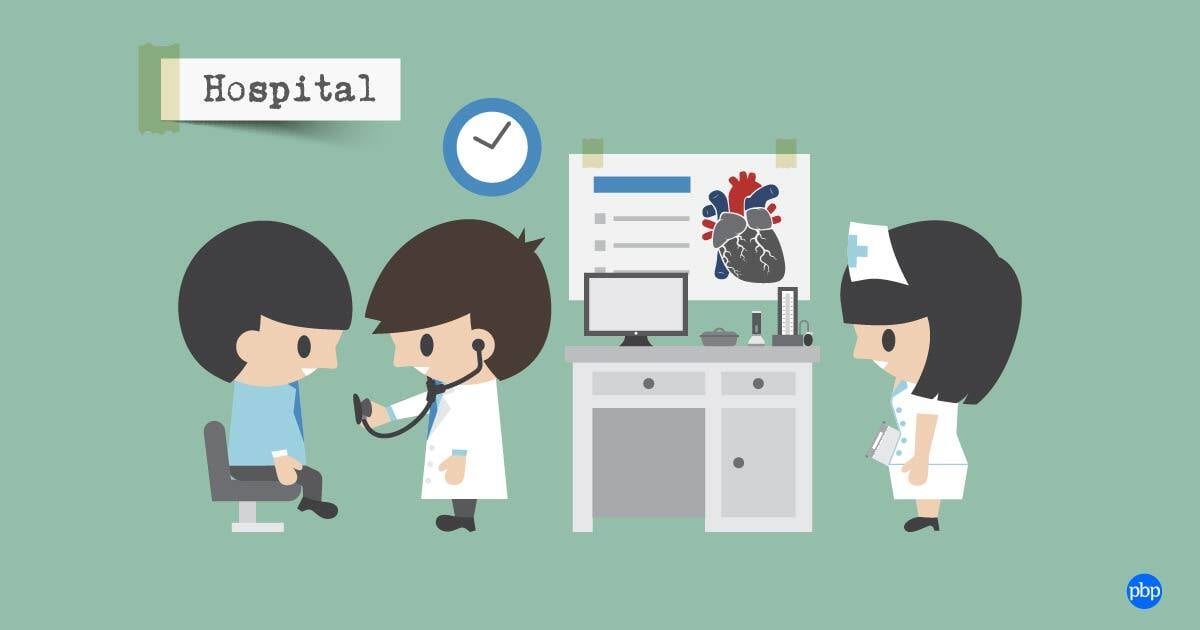
If you are looking to purchase health insurance, knowing the difference between OPD and IPD is crucial. OPD (Outpatient Department) deals with medical consultations, diagnostic tests and treatment that do not require hospitalisation. So you can go to a doctor, get treated and go home the same day.
Inpatient Department (IPD), in contrast, entails admitting to the hospital for treatment. It is generally required for surgeries, serious illnesses or medical conditions that need continuous monitoring and care. For instance, critical illness cover normally takes care of IPD expenditures, because the therapy or treatment is likely to involve hospitalisation, at the end of the day.
Knowing the difference between OPD and IPD can allow you to choose the right health insurance plan as per your healthcare demands and also give you financial support in case of a medical emergency.
What Is IPD?
IPD stands for In-Patient Department. It is the therapy given to a person when he/she is hospitalised for any major medical problem.
For instance, if you need surgery or long-term care, you will be admitted as an IPD patient. This is where the IPD treatment under health insurance comes into play. Normally, health insurance, especially critical illness insurance, covers these hospital stays. Hence knowing the OPD IPD full form is essential in choosing the right policy. In the debate between OPD vs IPD, IPD treatment is necessary where your health requires more intensive and round-the-clock medical care.
Key Features of IPD
Inpatient Department (IPD) care provides comprehensive medical treatment for patients who require hospitalisation and continuous monitoring. Its key features include:
- Hospital Admission: Patients are admitted for at least 24 hours or more.
- Intensive Care: This is surgery or post-operative care or treatment of serious sickness.
- Facilities Available: Accommodation, nursing, testing and meals.
- Insurance Coverage: Usually covered by health insurance as “hospitalisation expenses”.
Examples of IPD Treatments
- Major operations (such as heart surgery or organ transplants)
- Serious illnesses that require medicine through a vein
- Treatment of chronic diseases such as renal failure or cancer
What Is OPD?
OPD stands for Out-Patient Department, which refers to medical services offered to patients who go to a hospital or clinic for a certain diagnosis or minor treatment, and depart the same day. OPD is for patients who do not require hospitalisation.
Key Features of OPD
Outpatient Department (OPD) care is designed for medical consultations, diagnosis and treatment that do not require hospital admission. Its key features include:
- No Admission Required: Patients visit the hospital for consultations, diagnostic tests or minor procedures.
- Short Visits: Typically last a few hours or less.
- Services Included: Doctor consultations, diagnostic tests, vaccinations, or minor treatments.
- Insurance Coverage: There are also few health insurance plans that include OPD as an additional benefit.

Examples of OPD Treatments
- Routine health check-ups
- Diagnosis of common illnesses like fever or flu
- Minor surgeries or wound dressing
- Physiotherapy sessions
Difference Between OPD and IPD
IPD and OPD both offer medical care but differ in hospitalisation, treatment method, prices, insurance coverage and amenities. The table below shows the differences between OPD and IPD.
| Key factors | OPD | IPD |
| Hospitalization | OPD does not require admission | IPD involves hospital admission |
| Cost | IPD therapies are often expensive due to operations, hospital stays and intensive care. | OPD expenses can also be significant depending on the diagnosis. |
| Insurance Coverage | Many health insurance policies cover IPD expenses | OPD coverage may be available as an add-on. |
| Care Level | Intensive care with 24/7 monitoring | Routine consultations and minor treatments |
| Facilities Provided | Hospital room, food, and other amenities | No room or boarding facilities provided |
When Is IPD Treatment Required?
Knowing the IPD full form in medical terms helps you get a clear idea about when a hospital admission is really needed. IPD care is meant for patients who need continuous monitoring, specialised treatment or procedures that cannot be provided on an outpatient basis.
Common situations requiring IPD treatment include:
- Major surgeries
- Serious infections requiring intravenous medication
- Cancer treatment
- Heart-related procedures
- Kidney failure requiring hospital care
- Road accidents and trauma
- Emergency medical conditions
- Complicated pregnancies requiring hospital admission
Overnight hospitalisation is most often required as doctors have to monitor healing, give medicines, undertake diagnostic tests and treat any complications that may arise.
Knowing the IPD full form in medical and evaluating the coverage of IPD before hospitalisation will help individuals avoid unexpected medical bills and comprehend the policy benefits.
Does Every Health Insurance Policy Cover OPD Expenses?
The OPD full form refers to treatments that do not require hospital admission. However, not every health insurance policy covers OPD expenses.
A majority of health insurance plans cover hospitalisation expenses to a great extent. OPD benefits may be included inside certain plans or as an additional add-on. Different types of health insurance give OPD coverage in differing ways and at various levels.
Common OPD expenses that may be covered include:
- Doctor consultations
- Diagnostic tests
- Pharmacy expenses
- Physiotherapy
- Vaccinations
- Follow-up consultations
Some policies may exclude routine consultations, dental treatments or cosmetic procedures unless specifically mentioned.
Individuals should go through the policy paper thoroughly before buying a health insurance policy to know whether it covers OPD benefits or not. The policyholder can also analyse if they need any additional OPD coverage by knowing the OPD full form.
IPD vs OPD Claim Process: What Is the Difference?
The claim process for IPD and OPD treatments differs based on the nature of medical care, insurance coverage and documentation requirements. The table below describes the main distinctions so individuals understand the processing of claims in each treatment type.
| Aspect | IPD Claims | OPD Claims |
| Treatment Type | Hospital admission required. | No hospital admission required. |
| Claim Method | Cashless at network hospitals or reimbursement. | Usually reimbursement, if OPD cover is available. |
| Documents Required | Admission records, discharge summary, medical bills, prescriptions, diagnostic reports and identity proof. | Consultation receipts, pharmacy bills, prescriptions, diagnostic reports and payment receipts. |
| Common Reasons for Claim Rejection | Policy exclusions, incomplete paperwork, waiting period, non-disclosure or policy lapse | OPD benefit not covered. Incomplete papers. Policy exclusions/ policy lapse. |
| Tips for Smooth Claim Settlement | Inform the insurance at the earliest, keep original papers and go for network hospitals for cashless treatment. | Keep consultation bills and prescriptions, submit documents on time and verify OPD coverage before treatment. |
| Additional Note | PPN rate in health insurance applies to eligible cashless IPD treatment at empanelled hospitals. | PPN rates generally do not apply to OPD claims. |
How to Choose Between Individual and Family Health Insurance for IPD Coverage?
As there could be high hospitalisation costs associated with IPD treatment, it is important to buy the right health insurance. When you are comparing individual vs family health insurance plans, it can help you to find the one that gives you IPD coverage that is suited to your actual healthcare needs.
When to Choose Individual Health Insurance
An individual health insurance plan may be a suitable choice in the following situations:
- Only one person requires coverage.
- There is a specific medical history.
- Higher individual coverage is preferred.
When to Choose Family Floater Health Insurance
Here are some scenarios where a family floater health insurance policy might be a good choice:
- There are a few people in the family to defend.
- Budget optimisation is important.
- Family members are generally healthy.
Factors to Consider
There are a few factors that can help you compare an individual vs family health insurance plan and pick suitable IPD coverage for your healthcare needs.
- Number of insured members: Determine whether the policy is intended for one individual or multiple family members.
- Age of family members: Older individuals may require more frequent hospitalisation and higher coverage.
- Existing medical conditions: Consider any pre-existing illnesses or ongoing medical requirements that may affect coverage needs.
- Expected healthcare needs: Assess the likelihood of future hospitalisation, surgeries or specialised treatments.
- Budget: Choose a plan that provides adequate coverage while remaining affordable over the long term.
- Required sum insured: Ensure the sum insured is sufficient to cover potential inpatient treatment and rising medical costs.
The comparison of individual vs family health insurance plans helps the customers choose the right IPD coverage according to their long-term healthcare demands.
Conclusion
IPD and OPD are crucial in providing medical care, each suited to different patient needs. OPD is for normal visits and is economical and easy. IPD is for serious diseases and offers long term ongoing treatment. Knowing the distinction can help patients choose the appropriate medical care for their health needs.
Healthcare costs might be high whether you are undergoing care in IPD or OPD. That is where health insurance can have an important role in your financial plan. Health insurance can help lower the cost of medical care, particularly if you require long-term treatment.
Disclaimer* :- The information provided here is for general awareness only. It does not constitute professional advice. While care has been taken to ensure accuracy, readers are advised to consult a qualified professional before making any decisions.
FAQs
What is the difference between IPD and OPD?
IPD (In-Patient Department) involves patients admitted to the hospital for a longer stay, requiring continuous care and monitoring. OPD (Out-Patient Department) refers to patients who visit the hospital for consultations or minor treatments but do not stay overnight.
Who requires IPD care?
Patients who need intensive treatment, major surgeries, post-operative recovery, or continuous monitoring are typically admitted to the IPD. Examples include heart surgery, chemotherapy, or recovery from a serious accident.
Who can visit OPD?
OPD is meant for patients who need consultations, minor treatments, diagnostic tests, or follow-up visits but do not require hospitalization. This includes regular check-ups, vaccinations, or treatment for common ailments.
Do I need to make an appointment for OPD?
Yes, most hospitals or clinics require appointments for OPD consultations, though some may accept walk-ins depending on availability. It's always best to call ahead or book an appointment online.
Are there any accommodations provided in OPD?
No, OPD patients do not stay overnight. The hospital provides no accommodation or room facilities in OPD. Patients are expected to return home the same day after treatment or consultation.
What happens if a patient needs long-term care but doesn't need to stay in a hospital?
In such cases, patients may be treated in a Day Care Unit or receive home care services. These are alternatives where patients can get medical treatment or procedures without staying in the hospital overnight.
Can I claim OPD expenses without hospitalisation?
Yes. With OPD Cover Insurance, get eligible consultation, diagnostic and pharmaceutical expenses reimbursed without getting admitted in hospital.
What documents are required for an IPD health insurance claim?
Common documents are hospital admission forms, discharge summaries, medical bills, prescriptions, diagnostic results and identification documents.
How do I know if my health insurance policy includes OPD coverage?
Read the policy document, benefits section or policy schedule to see if your health insurance plan covers OPD or if it is an optional add-on.
Which is more expensive: IPD or OPD treatment?
IPD treatment is more expensive in general as it involves hospital admission, procedures, room expenses, nursing care and constant medical supervision. OPD treatment usually includes consultation and diagnostic charges without being admitted to the hospital.




Comments (0)
Leave a Comment
No comments yet. Be the first to comment!