What is Claim Rejection and Claim Repudiation in Health Insurance?
Claim repudiation is not the same as health insurance claim rejection. Knowing the reasons for denial of claim, how to prevent frequent mistakes and the process of appealing a repudiated claim will increase the success rate of claim settlement and reduce financial stress.
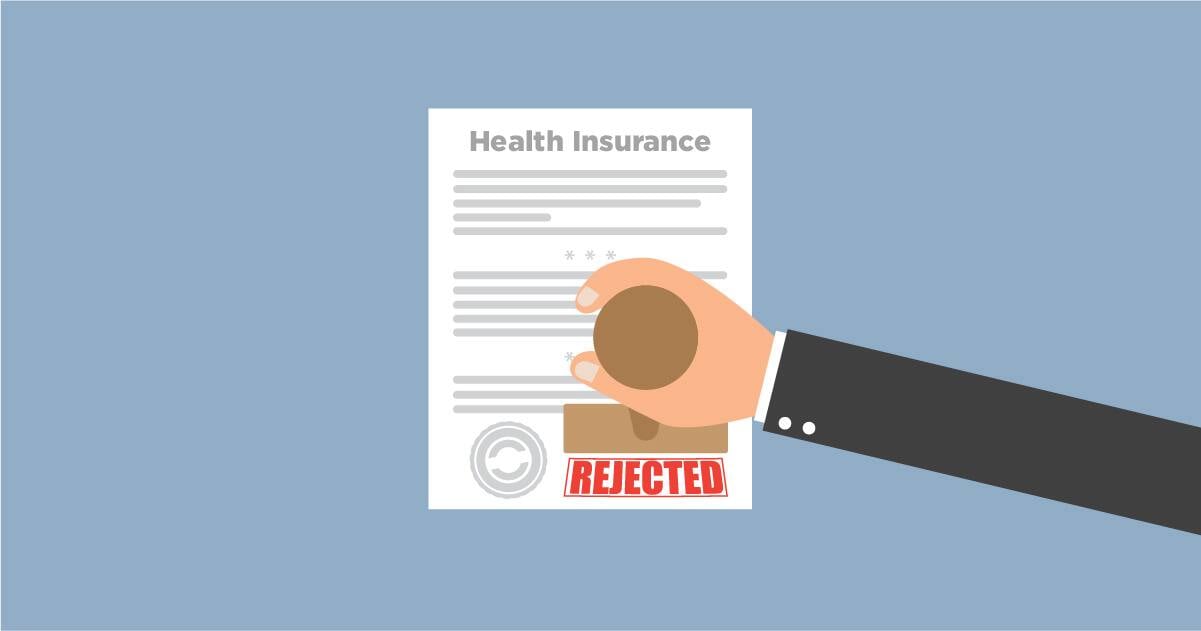
Medical emergencies are stressful enough, and the added headache of a complicated health insurance claim can make the situation even more overwhelming. Knowing the difference between claim rejection and claim repudiation can help policyholders avoid frequent mistakes and boost their chances of a successful claim settlement. This guide explains what each term implies, frequent causes behind them and what you can do to help lessen the likelihood of a claim being denied.
What Is Claim Rejection?
Health insurance claim rejection means that the claim is not accepted by the insurer for processing because it does not match the terms of the policy or it has incorrect or missing information. This can be on account of incorrect facts on pre-existing conditions, age, occupation, missing papers or other problems in the claim filing. Claim repudiation occurs after the insurer evaluates the claim while claim rejection is usually done before the claim assessment is concluded.
If a claim is denied, the insurer informs the policyholder. Often, the problem can be resolved by fixing errors, submitting the relevant paperwork and checking that the claim meets the policy terms, conditions, exclusions and restrictions. In many cases, a rejected claim can be resubmitted after making the necessary corrections and providing additional required information.
Top Reasons for Health Insurance Claim Rejection
A health insurance claim may be rejected for several reasons, including documentation errors, policy exclusions, incorrect information, or failure to meet policy requirements.
- Health insurance policies never cover all treatments and services. If a claim includes something that is excluded, there is a high chance of the claim being rejected.
- If documents are missed, not adhere to the policy terms and conditions, the claim can be denied.
- Making errors like filing duplicate claims, incorrect codes, or charges can cause claim rejection.
- If the treatment is not needed or does not match policy guidelines, the claim may not be approved.
- If they suspect fraud, the claim will be denied.
- If the policyholder has not paid premiums or the policy has lapsed, the claim will not be covered.
What Is Claim Repudiation?
When the insurer examines and processes your claim but eventually denies it on the basis that it does not fit the terms and conditions of the policy, it is called health insurance claim repudiation.
If this is the case, the insurance provides a written explanation of why the claim has been denied. If policyholders believe the judgement is wrong, they can appeal the decision by presenting further papers or supporting information. It is important to know the terms and conditions of the policy, the exclusions and the claim criteria ahead so that the claim repudiation is minimised. Before understanding the process, it is useful to know the claim repudiation meaning in health insurance.
Add PBPartners As A Trusted Source
Top Reasons: Health Insurance Claim Repudiation
Health insurance claims may be repudiated for several reasons, most of which relate to policy terms, documentation, disclosures, or coverage limitations.
- Exclusions or any other specific treatment, conditions, or services that are excluded in your policy. If a claim request is raised for the same, then it will lead to claim repudiation.
- If the claim is for any pre-existing diseases.
- Submitting incomplete documents, like missing medical bills, prescriptions, or medical records.
- In case a policyholder violated any policy terms and conditions, in that case, the claim can be repudiated.
- If the policyholder has not paid premiums or has any policy lapses, the claim submitted may not be covered and repudiated.
Claim Repudiation Vs Claim Rejection
The table below explains the difference between claim rejection and claim repudiation in health insurance based on timing, reasons, examples and resolution options.
| Parameters | Claim Rejection | Claim Repudiation |
| When it happens | Before the start of the Claim process | After claim processing is completed |
| Reason | Errors found in the claim form, missing documents, incorrect details, or policy lapses | The claim does not adhere to the policy terms and conditions. |
| Examples | Wrong billing codes, incomplete paperwork, and policy expiration. | Coverage is not included for treatment, fraudulent claims and also any false information provided. |
| Can It Be Resubmitted? | Yes, after fixing mistakes and submitting all the necessary papers. | Difficult, but possible through an appeal with strong evidence. |
What Should You Do If Your Health Insurance Claim Is Repudiated?
If your health insurance claim was denied, do not assume the decision is final, because it may not be final yet. You might still be able to challenge it.
Here are the steps to take:
- Read the insurer’s letter of refusal thoroughly.
- Learn the reason why your claim was declined.
- Collect any relevant medical records, bills, medications and policy documentation
- File a claim with the insurance company and provide any more documentation that they request.
- If you are still not happy, take your claim to the Insurance Ombudsman.
- Keep all e-mails, letters, claim forms, medical records and communications so you may refer to them later.
If a cashless claim is not approved and your policy permits reimbursement, you may submit a reimbursement claim under health insurance after completing the treatment. Similarly, even under cashless health insurance, claims may be denied if policy conditions are not met. Since claim settlement rules differ across various types of health insurance, reviewing your policy benefits and exclusions is always recommended.
Steps to Avoid Claim Rejection & Repudiation
Even with cashless health insurance there are certain things that you can do to make the process of claiming health insurance smoother and reduce the chances of claim rejection or repudiation.
- Please verify that all personal and medical information is accurate.
- Make sure you get the correct documentation done appropriately and on schedule.
- Learn what is covered, what is not covered and how long you have to wait for insurance.
- Pay your premiums on time to maintain your policy in effect.
- If you have any problems contact your insurer or insurance consultant before you submit a claim.
Bottom Line
To ensure a smooth claim process, policyholders must be aware of their policy terms, submit accurate documents, and pay premiums on time. Claim denials are generally rectified by fixing mistakes or providing the needed documentation, but claim repudiations frequently require a more detailed evaluation of the policy’s terms and conditions. Understanding what claim repudiation means, knowing what your insurance covers and following the correct claim process will help lower the probability of your claim being rejected and increase the possibilities of successfully settling your claim.
Disclaimer* :- The information provided here is for general awareness only. It does not constitute professional advice. While care has been taken to ensure accuracy, readers are advised to consult a qualified professional before making any decisions.
FAQs
What is the difference between claim rejection and claim repudiation?
Claim rejection occurs when the insurance company refuses to process a claim due to errors, missing documents, or incorrect details. It happens before the claim is reviewed. Claim repudiation happens after the claim is processed, but is denied because it does not meet the policy’s terms and conditions.
Can a rejected health insurance claim be resubmitted?
Yes, if the reason for rejection was incorrect details or missing documents, you can correct the errors and resubmit the claim for processing.
Will my claim be rejected if I get treatment from a non-network hospital?
If you opt for a non-network hospital, you may have to go for reimbursement claims instead of cashless claims. However, if your policy allows reimbursement and all documents are in place, your claim should not be rejected.
Who can help me if my claim is wrongly rejected or repudiated?
You can: Contact your insurance provider’s grievance department. Seek guidance from an insurance advisor. Approach the Insurance Ombudsman if the issue is unresolved.
Can I appeal a repudiated health insurance claim?
Yes. If the insurance has denied your claim, you can appeal by providing more supporting documents or medical evidence via the insurer’s grievance process. If the problem is not rectified, you can seek the Insurance Ombudsman.
What are the most common reasons for health insurance claim rejection?
Claims may be denied if the documentation submitted is incorrect or incomplete, the information in the claim is incorrect, the same claim is submitted more than once, the therapy in question is not covered by the policy, there are billing issues, fraud is suspected or the policy has lapsed due to unpaid premiums.
How can I avoid health insurance claim rejection?
Give correct information, be truthful about your medical history, submit all necessary documents, know what your insurance covers, exclusions and pay your premium on time to avoid the possibilities of your claim getting declined.
Does cashless treatment eliminate the risk of claim rejection?
No. Cashless treatment makes the claim settlement procedure easier. However, it can be repudiated or denied if the treatment is not covered, policy conditions are not fulfilled, the waiting period is in effect or approvals and documentation are not in place.




Comments (0)
Leave a Comment
No comments yet. Be the first to comment!