Heat Stroke vs. Heat Exhaustion: Symptoms & Life-Saving First Aid
Know the difference between heat exhaustion and heat stroke. Identify key symptoms like dizziness and high fever, and learn life-saving first aid steps now.
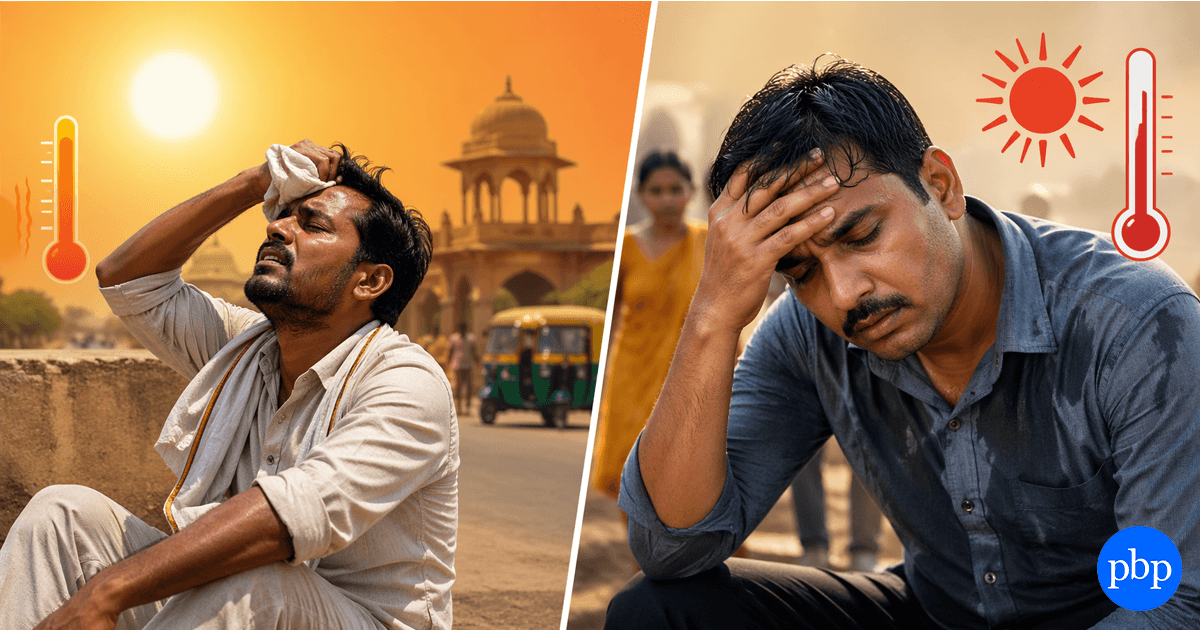
Extreme heat can lead to serious health conditions, especially during the peak summer months in India. Among them, heat exhaustion and heat stroke are the most common, and understanding the difference can help you act quickly and save a life.
In this blog, we will discuss the main difference between heat exhaustion and heat stroke.
A person with heat exhaustion might feel tired and be dealing with frequent headaches. On the other hand, if you are dealing with heat stroke, you need immediate medical care, and it can turn fatal without treatment within 30 minutes. Heat exhaustion, if not treated in time, may progress to heat stroke. The risk affects both young, healthy people and older adults, especially during prolonged exposure to high temperatures, physical activity in hot weather, or the use of certain medicines, such as diuretics and antihistamines.
What is Heat Exhaustion?
Heat exhaustion usually occurs when your body overheats due to prolonged exposure to high temperatures, especially when combined with dehydration. It is a moderate condition and often serves as a warning sign before something more severe, such as heat stroke, develops.
Common Symptoms of Heat Exhaustion:
- Heavy sweating
- Dizziness or fainting
- Nausea or vomiting
- Cool, moist skin
- Weakness or fatigue
- Muscle cramps
- Headache
- Fast but weak pulse
First Aid and Treatment Options for Heat Exhaustion
Quick action in a heat-related emergency could save someone's life. Cooling the body within 30 minutes of the onset of heat stroke can lower death rates from over 50% to less than 5%.
First Aid for Heat Exhaustion
- If someone near you is showing signs of heat exhaustion, they need immediate help:
- Take them immediately to the cooler spot (shade or air conditioning).
- Ask them to take off any extra clothing, especially tight clothing, to make them feel more relaxed.
- Apply cool, wet towels to their skin and whole body, or ask them to take a cool shower.
- Give them cold water or any sports drink.
- Set up fans to move air around them.
What is Heat Stroke?
Heat stroke is a severe and life-threatening condition that occurs when the body’s temperature-regulation system fails, and body temperature rises above 40°C (104°F). It requires immediate medical attention.
Common Symptoms of Heat Stroke
- High body temperature (above 40°C)
- Hot, dry skin (or sometimes sweating)
- Confusion or altered mental state
- Slurred speech
- Seizures
- Loss of consciousness
- Strong, rapid pulse
First Aid for Heat Stroke
- Move them to a cooler or shaded area.
- Remove excess clothing
Start cooling the body quickly using any of these methods:
- Place them in cold water or an ice bath (most effective)
- Apply ice packs to the neck, armpits, groin, and back.
- Wrap them in cool, damp sheets and fan continuously.
- Spray cool water on the body while fanning.

Who Is at Risk of Heat Exhaustion and Heat Stroke?
- Age: Young children (under 4) and older adults (above 65) are more vulnerable.
- Certain medications: Especially those used for blood pressure or heart conditions.
- Obesity: The body tends to retain more heat.
- Sudden temperature changes: Lack of acclimatization increases risk.
- Dehydration or alcohol intake: Both can impair the body’s ability to regulate temperature.
Health tips to avoid heat illness in the future.
- Keep yourself hydrated- Dehydration increases the risk of heat-related health issues in the summer. So, drink plenty of water.
- Avoid peak heat hours: Stay indoors between 12 PM and 4 PM, when the sun is strongest.
- Wear light clothing: Choose loose, breathable fabrics like cotton.
- Eat light meals: Opt for eating fresh fruits, salads, and easy-to-digest foods during summer.
- Use sun protection: Wear hats, sunglasses, or carry an umbrella when stepping out.
- Take frequent breaks: Especially if you’re working or exercising outdoors.
- Keep your surroundings cool: Use fans, coolers, or air conditioning.
- Avoid strenuous activities in the heat: Schedule workouts during early morning or evening.
- Never leave children or pets in parked vehicles.
- Watch for early symptoms: Act quickly if you feel dizzy, tired, or excessively sweaty.
Factor Heat Exhaustion Heat Stroke Severity Moderate Severe (medical emergency) Body Temp Normal/slightly high Above 40°C Skin Cool, sweaty Hot, dry Response Rest + hydration Immediate medical help
Bottom Line
Heat exhaustion and heat stroke can escalate quickly if ignored. Recognising early symptoms and acting immediately can prevent serious complications. Stay hydrated, avoid extreme heat, and prioritise safety during summer.
Disclaimer* :- The information provided here is for general awareness only. It does not constitute professional advice. While care has been taken to ensure accuracy, readers are advised to consult a qualified professional before making any decisions.
FAQs
What should you do if someone has heatstroke?
Call emergency medical services right away. Meanwhile, you are waiting. Take the affected person to a cooler area, remove outer clothing, and start rapid cooling—this can include cold water immersion, applying ice packs, or wrapping them in cool, wet sheets while fanning.
Who is more vulnerable to heat-related illnesses?
Mostly the young children (under 4), senior citizens (above 65), pregnant women, and individuals with existing health or medical conditions are at higher risk.
What to eat to recover from heat exhaustion?
Prefer fluids, such as water and electrolyte-rich options like coconut water, soups, or sports drinks. You can also opt for light, hydrating foods such as cucumber, watermelon, citrus fruits, yogurt, and bananas.
How long does heat exhaustion typically last?
Most of the people start feeling better within 30 minutes to a few hours. However, complete recovery may take up to 24 hours, depending on the severity and individual health condition.
What deficiencies can lead to heat intolerance?
Heat intolerance can be linked to low levels of key nutrients such as magnesium, potassium, and omega-3 fatty acids, all of which play a major role in maintaining proper body temperature. A deficiency in vitamin B12 may also contribute.




Comments (2)
Leave a Comment
Ravi Dutta
May 2, 2026
Nice Information
Mahendra Pratap
April 30, 2026
Great article! 👍 Really liked how clearly you explained the difference between heat exhaustion and heat stroke—it’s something many people confuse, especially during intense summer days. The symptoms and first-aid tips feel very practical and easy to understand, which makes it more relatable in real-life situations. With the kind of heat we experience in India, this is genuinely useful information that people should be aware of. It feels like one of those articles that can actually help someone act quickly at the right time.