Grace Period in Car Insurance Renewal: Why It Matters & What Happens If You Miss It
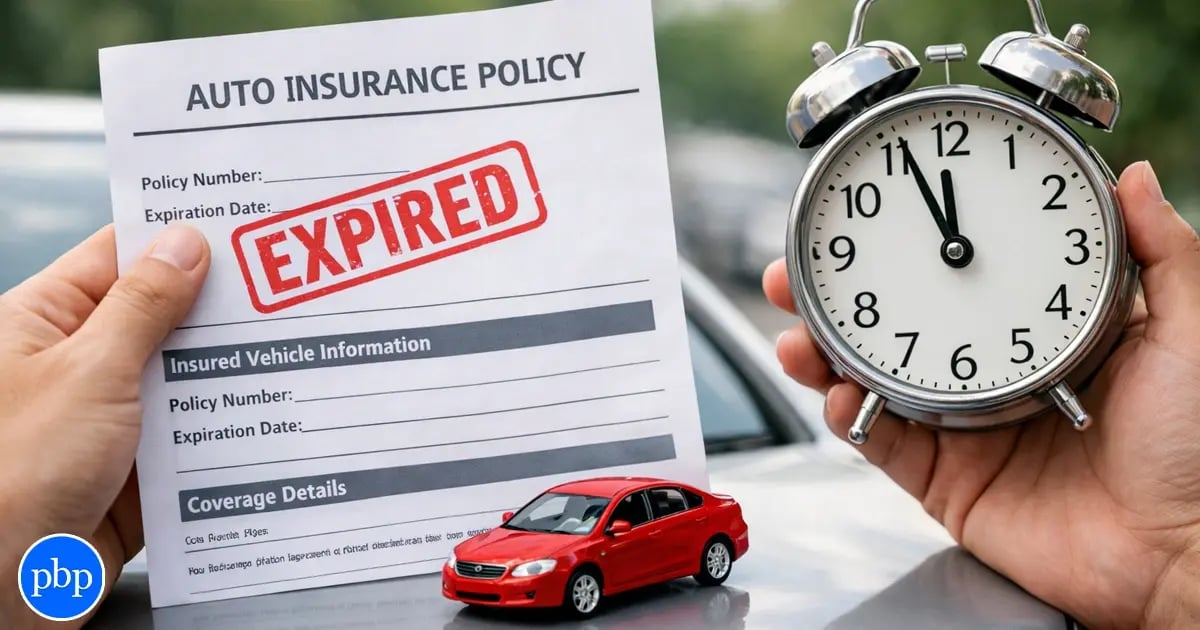
In today’s fast-paced life, many car owners miss their car insurance renewal date, not because they don’t value insurance, but because it simply slips their mind. A delayed renewal may seem like a minor issue, but it can lead to loss of No Claim Bonus (NCB), higher premiums, legal penalties, and a lack of coverage during emergencies. This is where understanding the importance of a grace period in car insurance renewal becomes crucial for all of us.
What is the Grace Period in Car Insurance Renewal?
The grace period for car insurance renewal is the time during which one has sufficient time to renew the policy without compromising the benefits. We would like to let you know that the grace period for your car insurance begins on the policy's expiration date. It may last from a few days to a few months, based on the terms and conditions of the car insurance provider. Typically, insurers offer a grace period of up to 90 days for private car insurance policies, allowing policyholders to renew without having to start over.
Why do car insurance companies offer grace periods?
1. Saves Your No Claim Bonus (NCB)
The car insurance renewal grace period protects your no-claim bonus, one of the biggest rewards for safe driving. It helps accumulate NCB, which can reduce car insurance premiums by up to 50%. You can also get other rewards by renewing your car insurance during the grace period. These include loyalty points, cumulative discounts, and other benefits you have collected during your policy tenure. These discounts and rewards can help you lower your insurance premiums.
2. Availing of Low Premium Rates
Do you know? Premiums for car insurance policy renewals are always lower than those for buying a new policy. This is possible due to discounts and reward programs offered to existing policyholders. Missing this window would mean losing all the perks mentioned above.

3. Prevents the Hassle of Buying a New Policy
If you are renewing car insurance within the grace period, you may avoid:
- Mandatory vehicle inspection
- Fresh documentation
- Reapplication delays
4. Enables Quick Policy Continuity
Policies renewed with the grace period are always reactivated more quickly, ensuring you’re back on track without unnecessary waiting.
What If You Miss the Grace Period?
If you forgot to renew your car insurance within the grace period:
- Your car insurance policy fully lapses.
- You lose the accumulated No-Claim Bonus.
- Vehicle inspection becomes mandatory when you go through the process of buying a new car insurance policy.
- Premiums may increase
- Policy issuance may get delayed.
Best Practices to Avoid Renewal Issues
- You can set multiple renewal reminders on your phone.
- Choose auto-renewal where available.
- Renew your policy before expiry.
Conclusion
The grace period in car insurance renewal acts as a safety net but not a substitute for active coverage. Renewing on time ensures uninterrupted protection, financial savings, and legal compliance. A small delay can be expensive, but timely action can protect both your car and your peace of mind.
Disclaimer* :- The information provided here is for general awareness only. It does not constitute professional advice. While care has been taken to ensure accuracy, readers are advised to consult a qualified professional before making any decisions.
FAQs
Related Articles

What is Terminal Illness in Life Insurance: A Complete Guide
Learn the meaning and definition of terminal illness, coverage in term insurance, the benefits of a terminal illness rider, and the claim process. Secure early payout for diagnosed conditions.
Par and Non-Par Insurance: Difference Between Participating and Non-Participating Plans Explained
Understand par and non-par insurance, key differences, returns, risks, and which plan is better for you. Compare participating vs non-participating life insurance easily.
Comments (0)
Leave a Comment
No comments yet. Be the first to comment!