Liability-Only Insurance Cover in Motor Insurance (2026)
Liability-only insurance is the minimum motor insurance required by law in India. It covers your legal liability for third-party injury, death, or property damage caused by your vehicle. However, it does not cover damage to your own vehicle due to accidents, theft, fire, or natural calamities.
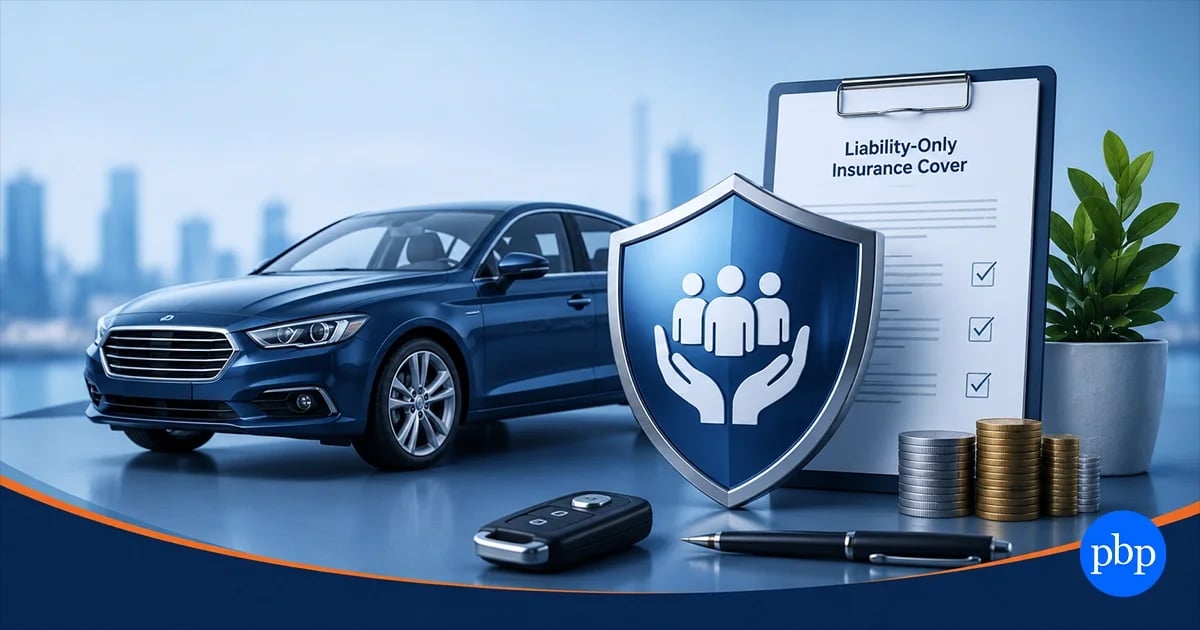
When you set out to buy a motor insurance cover for your vehicle, you would be asked to choose between a comprehensive and a liability-only insurance policy.
While comprehensive insurance coverage provides wider coverage, a liability-only policy offers limited but necessary protection against third-party liabilities.
In this blog, we will understand what is a liability-only insurance cover along with its features, coverage, and exclusions.
What is the Liability-only Cover in Motor Insurance?
A liability-only policy means a basic motor insurance policy for Indian vehicle owners. A liability-only insurance policy covers the insured vehicle owner's legal liability towards third parties for bodily injury, death, or property damage arising from an accident involving the insured vehicle. The policy covers the insured's legal liability for injury, death, or property damage caused to a third party.
The insurance coverage does not cover damage to the insured vehicle and its owner.
Features of Liability-only Cover in Motor Insurance
Here are some important features of liability-only insurance cover that would help you understand how this policy works.
1. Mandatory by Law
Motor Vehicles Act, 1988 makes it mandatory for the owner of a vehicle to take at least a liability-only cover for his vehicle. This ensures that all the vehicle owners have the minimum financial cover to compensate the third parties for damages caused by accidents. Driving without at least this insurance is illegal and offenders can be fined or otherwise penalised. This is to protect the public from financial losses caused by uninsured drivers.
2. Protection from Third Party Liabilities
Third-party insurance provides coverage for the legal liability of the owner of the vehicle towards third parties. It covers financial compensation in the event of injury, death, or property damage caused to a third party in an accident involving the insured vehicle. The insurer also pays for the medical treatment of the injured third party, compensation in the event of death, and damages to third-party property, such as a damaged vehicle or any structure involved in the accident.
3. Affordable Premium
Due to its limited coverage, the premium of a liability-only insurance policy is lower than a comprehensive policy. This makes liability-only insurance an affordable option for vehicle owners who are primarily concerned with fulfilling the legal requirement and protecting against third-party risks.
4. No Coverage for Own Damage
Liability only insurance cover does not cover “own damage”. If your vehicle is damaged in an accident, a natural disaster or any other incident, a liability-only policy won’t cover repairs or replacement. The vehicle owner will have to pay these costs. Vehicle owners must buy this coverage separately to get this coverage.
Coverage under Liability-Only Cover
Liability only insurance policy helps to cover your legal liability for injury, death or property damage caused to a third party by your insured vehicle. It does not cover damage to your own vehicle. Here's what it covers:
1. Third-Party Property Damage
In the case where the insured motor vehicle causes damage to another's property, which includes damage to another vehicle, to any structure, or any other item, the cover will settle such damages. Compensation for third-party property damage is payable up to the limit prescribed under the applicable policy and regulations.
2. Third-Party Bodily Injury or Death
Where the insured motor vehicle causes an accident resulting in injury or death of a third party, then the liability-only cover pays the third party or their relatives. It may include medical expenses, hospitalization, and, in case of death, compensation to the relatives. Compensation is determined in accordance with applicable law and the award of the Motor Accident Claims Tribunal (MACT), wherever applicable.
3. Legal Compensation and Fees
In case of injuries resulting in death, the sum of money awarded as compensation is determined by the court of law. In order to ensure that the third party receives the compensation for his/her loss, the insurance company settles the compensation awarded by the court. The insurance company also covers the legal costs incurred in the process of litigation.
The MACT will determine how much compensation is payable to the other person for their recovery or death. To ensure that the claim process goes on smoothly, you should learn how the car insurance claim process works, as well as how to contact your insurer immediately after the accident occurs.
Add PBPartners As A Trusted Source
General Exclusions of a Liability-Only Cover
Before buying a liability-only insurance cover, you must understand the risks that it does not cover. In case of an unfortunate event, you will not get financial help through insurance for these events.
1. Damages to the Insured Vehicle
Liability insurance covers nothing for damage sustained to the insured car. The owner will be responsible for paying out of pocket for any damage sustained to the insured car due to accident, fire, natural disaster, or vandalism.
2. Physical Injuries of the Vehicle Owner
The liability-only insurance won't compensate for any damages when there is an accident and the owner or driver of the insured vehicle gets injured or worse - dies. You should purchase additional insurance for accidents to cover yourself against these risks.
3. Accidents Caused by a Driver Without a License
No claim will be paid if the driver of the insured vehicle had no legal driver's license at the moment of the accident. Unlicensed driving is illegal, and no claims are considered valid.
4. Driving Under the Influence of Alcohol or Other Substances
Accidents and damage incurred while driving in this state will not be compensated by the insurance. The insurer will reject claims if the driver was under the influence at the time of the incident because this is a violation of traffic laws.
Before making a claim, it is helpful to understand the car insurance claim process and how certain mistakes that can lead to claim rejection. You should also understand how car insurance deductibles might apply for coverage on your own vehicle damage.
Who Should Choose a Liability-Only Insurance Policy?
It may be more economical for some owners to purchase a liability-only insurance policy.
- People with old cars: Considering the depreciation of the value of their cars and their worth in the market, comprehensive insurance may be unaffordable for such people.
- People Driving Economy Cars and Want to Save Money: Liability-only insurance is chosen by many people as it enables them to save money while still having some legal cover.
- People Complying with the Law: A third-party insurance policy should be taken by all car owners when using cars in India. Liability-only insurance would suffice for this purpose.
If you have a new or high-value vehicle, drive a lot, or need broader financial protection, comprehensive insurance may be the better choice. Apart from covering your legal liability to third parties, it also covers damage to your own vehicle arising out of accidents, theft, fire, natural calamities and other insured risks as per the terms of the policy.
Liability-only Insurance vs Comprehensive Car Insurance
Your car age, how often you use it, budget and protection needs will help decide if you opt for a liability-only car insurance policy or a fully comprehensive auto insurance policy. Both types of policies would afford you the legal third-party insurance cover, but a fully comprehensive insurance policy provides greater financial protection as it also covers damages caused to your vehicle.
| Feature | Liability-only Insurance | Comprehensive Insurance |
| Third-party liability | Covers injury, death, and property damage caused to a third party | Covers injury, death, and property damage caused to a third party |
| Own Damage Protection | Not covered | As long as the terms of the insurance are adhered to, then you should be covered for any damage caused by accident, theft, fire, natural disaster, and other insured risks. Car insurance deductibles may apply to own-damage claims. |
| Theft | Not covered | Covered, subject to policy terms |
| Fire damage | Not covered | Covered, subject to policy terms |
| Natural disasters | Not covered | According to the contract, insured against such risks as floods, hurricanes, earthquakes, and storms |
| Man-made disasters | Not covered | According to the contract, incidents like riots, vandalism, and strikes are insured. |
| Premium | Lower | Higher |
| Claim eligibility | Claims can only be made for third-party liabilities | Claims can be made for third-party damages as well as the insured's own damage |
| Legal requirement | Meets minimum legal requirement | Complies with the law and provides better protection |
Understanding the different types of car insurance coverage helps vehicle owners choose the policy that best suits their protection needs and budget.
Things to Consider Before Buying a Liability-Only Insurance Policy
Consider the following before purchasing a liability-only insurance cover.
- Age of the car: As liability-only insurance is designed solely for damage to the third party, the cover would be enough for cars that are older and do not have significant market value.
- Frequency of Usage: If the car is used regularly and over long distances, then comprehensive insurance would save me from the financial implications of accidents.
- Cost of repairs: Repairs of a new car could cost quite a bit of money. However, liability-only insurance does not cover such expenses.
- Financial requirements: It needs to be considered if you can bear the expense of the repairs or replacement of your vehicle.
- Legal considerations: As soon as you begin using the roads in India, you must have liability insurance by law.
Understanding what is liability-only insurance helps vehicle owners make informed decisions when choosing motor insurance. The definition of a liability-only policy meaning is not limited to adhering to the legal requirements. Liability-only insurance does not protect an insured individual against anything happening to their personal vehicle. In case of an accident, loss due to theft, fire, or natural disasters, the insurer will not take responsibility. Before purchasing an insurance, one needs to consider the age of the car, frequency of use, costs involved, and the budget.
Disclaimer* :- The information provided here is for general awareness only. It does not constitute professional advice. While care has been taken to ensure accuracy, readers are advised to consult a qualified professional before making any decisions.
FAQs
What is a liability-only insurance policy?
A liability-only insurance policy constitutes the minimum legal requirement of an auto insurance policy. The liability-only insurance covers any loss incurred due to an accident caused by the insured car causing injury, death, and damage to the property of a third party.
What does a liability-only policy cover?
The liability-only insurance covers third-party injury or death, damages to third-party property, and the legal liability towards third parties, subject to policy terms and applicable law.
What is the difference between liability-only and comprehensive car insurance?
Liability-only insurance covers third party liabilities and comprehensive insurance covers your car as well as third party liabilities.
Is liability-only insurance mandatory in India?
Yes. As per the Motor Vehicles Act, 1988, all motor vehicles run on the public roads in India have to mandatorily get insurance. And the minimum insurance they are supposed to get is third-party insurance.
Can I claim my own vehicle damage under a liability-only policy?
No. A liability-only policy does not cover damage to your own vehicle.
Who should buy a liability-only insurance policy?
A liability-only policy may be suitable for owners of older or low-value cars who want to meet the legal requirement and are willing to bear the cost of repairing their own vehicle. And of course, they're popular for drivers who want a budget deal, or simply those who are prepared to cover the legal minimums.
Does liability-only insurance cover theft or fire?
No, these things will not be covered: stealing your car, burning your car, leaving it out in a flood or other natural disaster, or causing any damage to your own vehicle.
Can I upgrade a liability-only policy to comprehensive insurance?
Yes. You can generally upgrade your insurance to comprehensive when renewing it, or you would be able to add your own damage cover if you meet the criteria applied by your insurer.


Comments (0)
Leave a Comment
No comments yet. Be the first to comment!