Third Party Car Insurance (2026): Coverage & Benefits
Third party car insurance is legally mandatory in India and covers liability for injuries, death and property damage caused to others. This guide explains its coverage, exclusions, benefits, financial risks and when comprehensive insurance may be a better option.
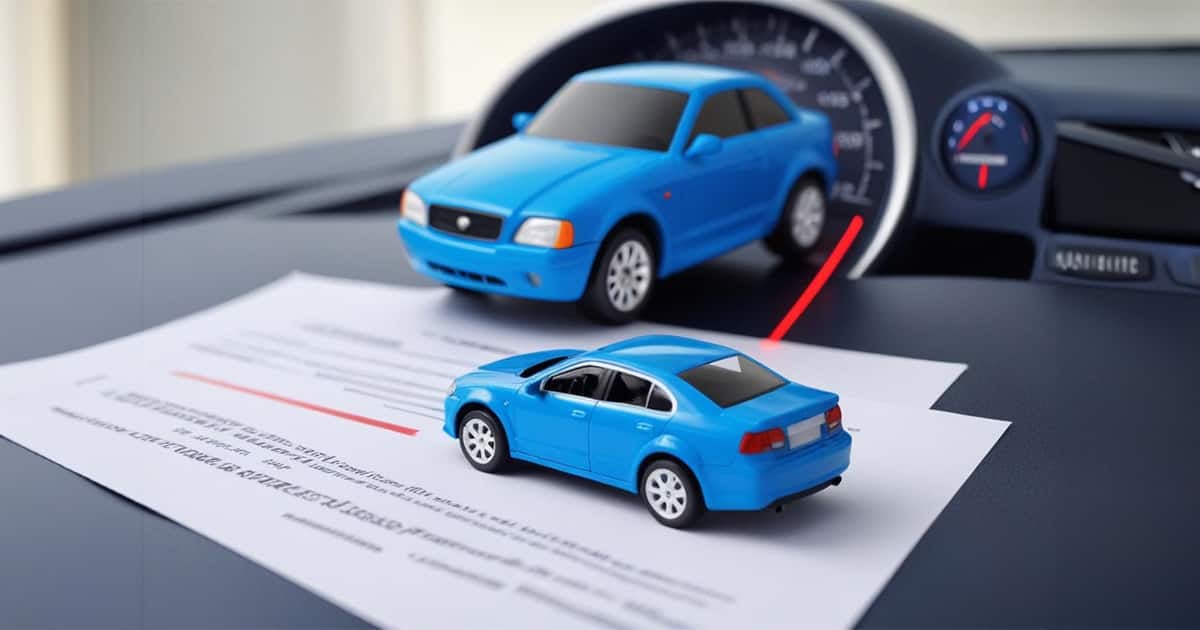
Third-party insurance, also referred to as liability insurance, essentially provides financial coverage to an insured person against any liability incurred in case of any loss/damage caused to third-party property or the person.
In India, there are two types of car insurance available i.e. comprehensive insurance and third party insurance. Third-party car insurance shields the car owner against any losses that might incur due to any bodily injury, the demise of a third-party or damage to the property of that person. In India, it is mandatory to have third-party car insurance. Anyone can easily buy third-party car insurance online right from the comfort of his/her home or anywhere across the globe. Buying third-party car insurance online is easy, convenient and also saves time.
The compensation for third-party injury or death is determined by the Motor Accident Claims Tribunal (MACT), while the premium for third-party insurance is regulated by IRDAI.
What is Third Party Insurance?
Third party insurance is a type of insurance policy that covers only third party liabilities of the vehicle owner. It provides financial protection against any damages or physical injuries to third parties caused by an accident. Also known as the act-only insurance, the beneficiary under this insurance is a third party and not the policyholder (first party) or the insurance company (second party).
Third party insurance provides damage protection coverage to the third party by the insured vehicle. It covers damages to the property, damages to the vehicle, physical injuries, and death of the third party. However, third party insurance will not offer compensation if the accident was caused due to drunk driving.
What is Third Party Car Insurance?
Third party car insurance is a type of motor insurance policy that financially protects the car owner against third party legal liabilities resulting from an accident involving the car. It provides coverage against any property damages, physical injuries, or death of third parties if the car owner is at fault. For example, bumping the insured car with another car on the road.
Third party insurance provides coverage against any accidental injuries or damages caused to the third-party by the insured four-wheeler. It covers third party liabilities arising out of:
- Property damages
- Damages to the vehicle
- Bodily injuries, and
- Death of the 3rd party
However, third-party insurance does not pay compensation on behalf of the policyholder if he/she was drunk driving the insured vehicle.
Third party vehicle insurance is a risk cover, under which the insurer compensates for any legal liabilities of the car owner claimed by the third party involved in an accident, where the insured vehicle is at fault. As per the Motor Vehicles Act 1988, Section 146, plying an uninsured vehicle on Indian roads is an offence. This is why liability insurance is also known as the ‘Act Only’ plan. However, the scope of coverage doesn’t include damage or loss of the insured vehicle.
Why Do You Need Third Party Insurance?
Besides the legal clause, third party insurance comes in handy when the insured vehicle hits another vehicle. Nobody can measure the level of damage caused by an accident – it may lead to death as well. In such instances, the victim is allowed to register a case claiming compensation. Here, third party insurance comes into the picture. It covers the insured vehicle in case any liability claim arises for causing bodily injury, property damage, or death of the third party.
As per the guidelines of IRDAI, while there is no limit in case of death, the property damage cover is limited up to Rs 7.5 lakh in case of car insurance. It is better to stick to third party liability insurance if the insured vehicle is more than 5 years old.
How Does Third Party Insurance Work?
As stated earlier, third party insurance is liability insurance that works towards easing out the legal liabilities of the first party for causing damages or injuries to the third party. The first party refers to the vehicle owner who is responsible for the injuries/ damages caused to the third party. The third party is the person filing liability claims against the first party. The second party, or the insurance company, aids the financial burden of the vehicle owner by paying the legal liabilities towards the third party.
Insurance companies cover two kinds of motor third party insurance claims – bodily injury liability and property damage liability.
Third party bodily injury liability claim arises out of the insured causing physical injuries to another person with his/ her vehicle. Such claims provide coverage for hospitalization expenses, pain & suffering, loss of income, as well as death or permanent disability as a result of the accident.
Third party property damage liability claim covers the property damage or complete loss of property caused by the insured vehicle. It includes claims related to damaged landscapes, such as a ruined fence, front lawn, etc., damaged property such as mailboxes, the fence gates, etc., as well as replacement of loss of structures, such as shops.
Key Benefits & Importance of Third-Party Insurance
Third party insurance comes with its own set of advantages. To know why third party cover is important for a vehicle, take a look at some of the benefits and advantages of buying a third party insurance policy:
Offers Legal Cover and Financial Assistance
Legal liabilities can be financially draining and can lead to bankruptcy if the vehicle owner is unable to pay for the losses or damages caused to a third party. This is where third party insurance comes into the picture as it provides the policyholder with the required financial assistance and helps him/her to pay off the third party liabilities without exhausting all their savings.
Covers Third Party Legal Liabilities
As the name suggests, third party insurance covers all third party legal liabilities of the policyholder if he/ she causes accidental damages or injuries to a third party person. Not only does it pay for the damages caused to someone else’s car or property, but it also provides compensation to the third party person in case of injury or death. Although neither the insurance company nor the insured is the direct beneficiary of third party insurance but a third party is, this is the most crucial benefit that can be ensured for the owner or the driver of the insured vehicle.
Fulfils Legal Mandate
As per the Motor Vehicles Act of India, 1988, it is legally mandatory for all vehicle owners in India to own a third party insurance cover to be able to use their vehicles on public roads. Thus, if someone buys third party insurance for his/her vehicle, he/she abide by the laws of the country and avoids earning a challan or fine for its violation.
Easy, Seamless, and Fast Process to Acquire Third Party Insurance
Buying third party insurance is extremely easy and a quick process. Anyone can easily buy this insurance cover for his/her vehicle anytime online, including at home. Besides, the price for third party insurance is fixed by the Insurance Regulatory & Development Authority (IRDAI) of India, and thus, there is no scope for discrepancies. The policyholder can also renew this policy online by visiting the insurer's website or the insurance broker's website and following the given instructions.
Cost-Effective Policy
The coverage offered under third party liability insurance appears exceptionally cost-effective and rewarding in terms of its cost and premium rate. Even if it has to be used as either an essential or an add-on part of the main policy, it benefits the vehicle owner fully. However, at the time of calculating the compensation amount, the vehicle owner’s annual income is considered.
Ensures Peace of Mind
Third party liability insurance helps a vehicle owner to drive in peace and without any worries. This is possible because he/she doesn’t have to worry about arranging the finances in case of an accident as the policy ensures monetary protection from any unforeseen third party liabilities. Thus, third party insurance provides the policyholder with peace of mind and allows him/her to enjoy driving the insured vehicle.
When Is Third-Party Car Insurance the Right Choice?
Third-party car insurance may be a practical option in certain situations where the cost of repairing or replacing the insured vehicle is relatively low compared to the insurance premium. Although it only covers third-party liabilities, it fulfils the legal requirement for driving on public roads.
It may be suitable in the following situations:
- Older vehicles with a low market value, where expensive own-damage coverage may not be cost-effective.
- Budget-conscious vehicle owners looking for the minimum legally required insurance.
- Vehicles that are driven occasionally and have limited annual usage.
- Owners who can comfortably manage repair expenses for their own vehicle if required.
Before choosing only third-party insurance, consider:
- Current market value of the vehicle
- Cost of potential repairs
- Frequency of vehicle usage
- Parking conditions
- Financial ability to bear unexpected repair expenses
Choosing the right policy depends on balancing premium costs with the level of financial protection required.
Features of Third-Party Car Insurance
The following salient features are a part and parcel of a third party insurance plan:
- The policyholder and the injured third party are the beneficiaries of the third party liability insurance. These beneficiaries are only the nominal beneficiaries of the third party car insurance. In practice, the money is directly paid to the third party or his solicitor by the insurance company.
- Injuries to the car owner are not covered under third party car insurance unless the personal accident cover for the owner-driver has been opted for. It covers the injuries caused by the insured car to the rest of the world.
- In these plans, third party car insurance premiums do not consider the insured vehicle’s value as it is a ‘legal liability’ and it is impossible to know beforehand what that liability would be.
- Third party car insurance involves lawyers’ help.
- With an option to renew or buy third party car insurance online, the process has become easy, quick, and seamless. It entirely depends on the time and convenience of the car owner.

What is Covered Under Third-Party Insurance?
Third party car insurance covers the liabilities arising due to a third-party accidental damage, injury or death. The policy compensates for the Third-party liabilities, which can be up to Rs 7.5 lakh in case of property damage. There is no exact limit for death claims, as it is based on the verdict by the Motor Tribunal Court.
- Third Party Liabilities - Third party liabilities result from any damages or injuries caused by the insured car to a third party during an accident. Since the accident was caused by the insured car, paying for the damages is the responsibility of the insured car’s owner. Third party liability insurance covers legal liabilities arising out of causing:
- Property Damages – It covers the car owner against any accidental damages caused to the property of a third party person by the insured car. In case someone, unfortunately, rams his/her car in a third party’s property, such as the boundary wall or a shop, the third party insurance policy will pay for the loss or damages caused to that person. The motor insurer will cover your damage liability up to the limit of Rs 7.5 lakh.
- Car Damages – If a car owner accidentally hits a third party person’s car with his/her car while driving, the insurance policy will come to the rescue and pay for the damages caused to that person’s car on the policyholder’s behalf.
- Accidental Bodily Injuries – In case the car owner accidentally hits a third party person with his/her car, the motor insurer will pay for the treatment of that person’s bodily injuries. In case the victim suffers from a disability as a result of the accident, the compensation amount that needs to be paid will be decided by the Motor Accidents Claims Tribunal.
- Accidental Death – If the car owner accidentally runs over his/her car on someone or causes fatal injuries to a third party person leading to his/ her untimely death, the motor insurance provider will pay compensation to the victim’s family on the policyholder’s behalf. The compensation amount that needs to be paid to the victim will be fixed by the Motor Tribunal court. In the case of third-party death, 100% of the compensation amount will be paid by the motor insurance company.
- Personal Accident Cover - A few motor insurance companies also offer personal accident cover to the owner-driver of the insured car under third party car insurance. As part of this coverage, the owner-driver of the car is granted compensation in case he/ she ends up suffering from a disability or dies as a result of the car accident. In case of the death of the policyholder, the compensation is paid to the nominee appointed by the car owner. The compulsory personal accident cover for the owner-driver is available for up to Rs 15 lakh.
What is Not Covered Under a Third Party Insurance?
Like in the basic motor insurance plan, the standard third party insurance is not applicable to certain situations. The following coverage is not provided under a third party car insurance policy:
- Own Damages – It does not cover any damages sustained by the insured car, be it accidental damages, fire damages, damages due to natural & manmade calamities, or due to theft.
- Drunk Driving – It does not cover any third party liabilities if the car was being driven under the influence of alcohol or drugs.
- Invalid License – It does not cover any third party injuries or damages if the driver of the insured car has an invalid driving license.
- Outside Geographical Limit – If the insured car causes third party damages or injuries outside the geographical limit of the country, it will not be covered.
- Unauthorized Usage – It does not cover any third party injuries or damages caused while using the insured car for illegal activities, racing, commercial purposes, etc.
- Contractual Liability – It does not cover any claims arising out of contractual liability.
- Undesignated Driver – If any individual, other than the owner of the car or the designated driver, was driving the vehicle, the resultant damages or injuries to the third party are not covered.
- Substantial Loss – It does not cover any accidental loss or damage sustained by the third party, which has accrued from any substantial loss.
- Nuclear Perils – It does not include any liability caused by a nuclear weapon or radioactive contamination directly or indirectly.
- War – It does not cover any damage, loss, and/or liability caused to the third party due to invasion, war, or any other war-like operations.
The details in the list above are the most common exceptions; make sure to check the documents of the policy for a comprehensive list of exclusions.
Financial Risks of Relying Only on Third-Party Vehicle Insurance
Although third-party insurance satisfies the legal requirement, it provides limited protection for the vehicle owner. Some important financial risks include:
- Out-of-pocket repair expenses: Third party insurance does not cover own damage expenses and any accidental damage to the insured car must be fixed at the owner’s expense.
- Loss due to theft or natural disasters: Losses arising from theft, floods, earthquakes, storms, fire or other natural calamities are not covered.
- No own-damage protection: Even in the case of a serious accident the owner is responsible for the repair or replacement of the insured vehicle.
- Higher financial burden after major accidents: If the covered car is damaged extensively, the repair costs might be substantial, particularly on newer or premium vehicles. Vehicle owners should carefully assess these risks before relying solely on third-party insurance.
Coverage of Third Party Liability Insurance for Commercial Vehicle
Third party liability insurance for commercial vehicles covers:
- The policy covers the legal liability of the vehicle owner for any injury or damage caused by the insured vehicle to a third party
- Demise or any bodily injury to the third party
- Property damage caused to the third party for up to Rs 7.5 lakh
Disadvantages of Third Party Insurance
Third party insurance does come with certain disadvantages. Take a look at them below:
No Coverage for Damages to Own Car
During a car accident, the policyholder does not have to worry about the legal liabilities arising out of causing bodily injuries or property damages to a third party. But what about the damage to the insured car? Accidents may cause major damage to the insured car as well, which won’t be covered under the third party liability insurance policy. As a result, the car owner will have to pay for the incurred losses or damages to the insured car in case of third party insurance.
No Protection From Theft/Fire
Besides accidents, a car is constantly at risk of getting stolen or catching fire. In case the insured car catches fire or gets stolen, the third party insurance policy will be of no use as it will not pay for the loss of the insured car.
No Add-On Covers
A third party insurance policy does not come with a wide range of add-on covers, unlike in the case of a comprehensive insurance policy. Add-on covers help to expand the coverage for the car and can also help to save money in the long run. Zero depreciation cover, conveyance benefit, roadside assistance cover, no claim bonus protection, return to invoice, etc, are some of the add-on covers available under comprehensive insurance. Unfortunately, these covers cannot be availed under a third party insurance cover.
How to Claim Third Party Insurance?
Filing a third-party insurance claim involves a few important steps to ensure the compensation process is completed smoothly.
Step 1- Application
The victim or the legal heir of the departed can make an application against the owner of the vehicle for third-party liability compensation.
Step 2- Lodge an FIR
Once the application is completed, file an FIR with the police, furnishing the required details. He/she must have a copy of the FIR and the original records of the expenses incurred by the victim.
Step 3- Approach the Motor Accidents Claims Tribunal
After filling the First Information Report (FIR) successfully, the next step is to register the case with the Motor Accidents Claims Tribunal.
Step 4- Get the Cover Amount
There is no pre-decided limit for claiming third-party insurance. The insurer compensates the full amount decided by the court in its final verdict. However, IRDAI limits the coverage for property damage to up to Rs 7.5 lakh.
NOTE: The police complaint must have the following information:
- Driver’s Licence Number
- Witnesses’ names and contact details (if any)
Comprehensive V/s Third Party Liability Car Insurance
Third-party car insurance is different from comprehensive car insurance on the basis of its coverage. Third party car insurance financially protects the car owner from any third party claims arising out of death or bodily injuries or damages to that person’s property in an accident. Besides, this insurance is legally mandatory to drive a car on public roads.
Comprehensive car insurance, on the other hand, is quite extensive. It safeguards the insured vehicle from natural and man-made calamities. Any damage to the insured car due to vandalism, earthquake, flood, storm, strike, riot, terrorist attack, or theft, etc., will be taken care of by this plan. While third party insurance only covers third party liabilities, comprehensive insurance covers the insured against both own damages as well as third party liabilities. That’s the reason why most experts recommend a comprehensive insurance plan to ensure optimum protection of the car.
Should You Choose Third-Party or Comprehensive Insurance?
Whether you get third-party or comprehensive insurance will depend on the age of your car, its value, how you use it and the financial cover you want. The table below is a quick comparison to help you decide which form of cover may be more suitable for particular situations.
| Situation | Recommended Cover |
| Older car with low market value | Third-party may be sufficient |
| Brand-new vehicle | Comprehensive insurance |
| Car financed through a loan | Comprehensive insurance |
| Daily city commuting | Depends on risk exposure |
| High-value vehicle | Comprehensive insurance |
When Should You Upgrade from Third-Party to Comprehensive Insurance?
While third-party insurance is suitable in some cases, upgrading to comprehensive car insurance may provide broader financial protection as the vehicle's value or usage changes.
Consider upgrading when:
- You purchase a new vehicle: New vehicles usually have a higher market value, making own-damage protection important.
- Vehicle usage increases: More exposure to accidents comes from long distance driving or daily commuting, therefore larger coverage is a good thing.
- Repair costs become expensive: Repairing newer cars can be very expensive and the extra parts needed can result in significant repair expenses.
- Your financial protection needs increase: Comprehensive coverage provides extra protection if surprise repair expenditures affect your budget.
- During policy renewal: It is a good opportunity to check if your insurance still shows the value and use of your vehicle.
Comprehensive insurance also allows the policyholders to select additional covers like zero depreciation cover in car insurance, which can further lower down the repair expenses. Vehicle owners can also use an IDV calculator to estimate the insured declared value before upgrading their policy.
In India, it is mandatory for every car owner to have third-party car insurance. It protects you from any third-party liability in case of an accident. It does not, however, cover damage to the insured vehicle or loss by theft, fire or natural disasters. The age, use and value of the car mean vehicle owners should periodically review their insurance needs. Thus, you can compare the best car insurance plans in India to help you decide whether to stay on third party insurance or switch to full coverage.
Disclaimer* :- The information provided here is for general awareness only. It does not constitute professional advice. While care has been taken to ensure accuracy, readers are advised to consult a qualified professional before making any decisions.
FAQs
Who should buy third-party vehicle insurance?
If you own an old vehicle that is not worth much in the market, are on a tight budget, or just want to comply with the law and take care of repair costs on your own, then a third party vehicle insurance will be ideal for you.
What financial risks are not covered under third-party insurance?
Third-party insurance doesn't cover damages to the covered vehicle, fire, theft, natural disasters, vandalism or other own-damage losses. The costs are the responsibility of the car owner.
How does vehicle age affect insurance choice?
Older cars that have less worth in the market may just need third-party insurance. Newer cars usually need comprehensive insurance because it costs much more to fix or replace them.
Can I add zero depreciation cover to third-party insurance?
No. Zero depreciation protection is only available with comprehensive car insurance policies and cannot be added to a separate third-party insurance policy.
How does IDV matter if I switch to comprehensive insurance?
Under a comprehensive policy the sum assured is the maximum amount provided as compensation in case of total loss or theft. Proper IDV helps in providing proper financial protection of the vehicle.

Comments (0)
Leave a Comment
No comments yet. Be the first to comment!