Tax-Free Income Up to ₹12.75 Lakh –What Happens If You Exceed the Limit?
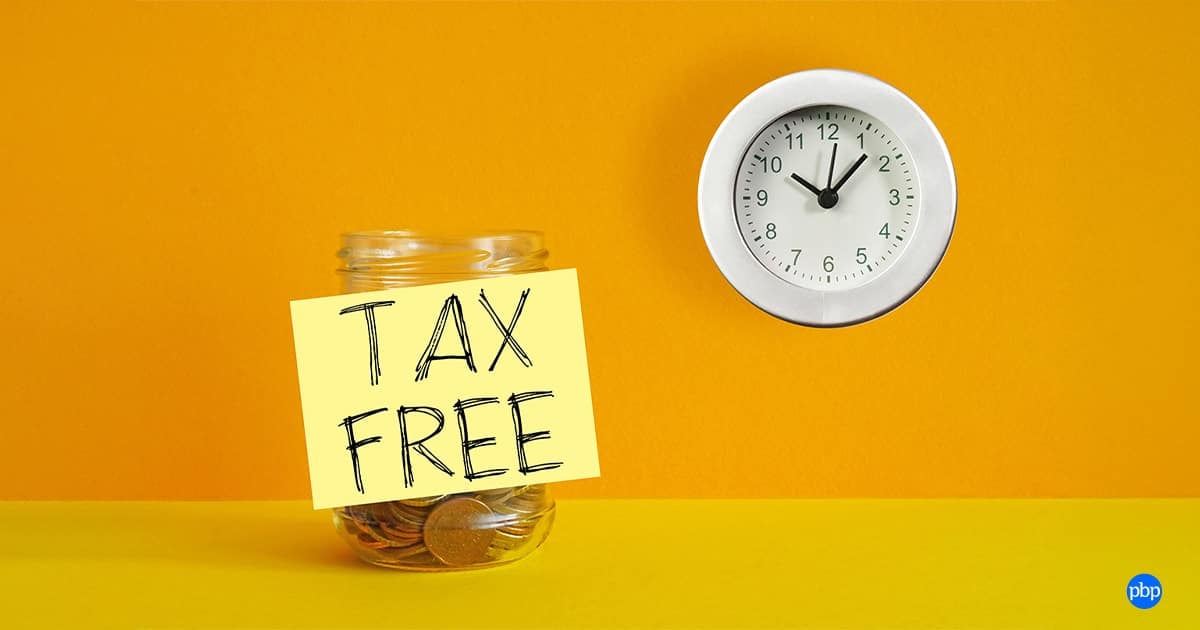
In the latest Union Budget 2025, a significant change to the tax system offers much-needed relief for the middle class. Under the new rules, if your income is below ₹12 lakhs, you won’t pay any tax. However, earning just a little more doesn't always mean extra benefits, as it could lead to higher tax liabilities. Thankfully, marginal relief ensures that small increases in income won’t result in a disproportionate spike in your tax burden.
In this blog, we will explore
- Marginal Relief
- How can you Lower Your Taxable Salary if it exceeds 12.75 Lakhs?
What is Marginal Relief?
One of the most significant changes announced in the new tax regime is marginal relief. Save the individual from a steep tax increase when your income exceeds ₹12 Lakh. In simple terms, marginal relief ensures that the tax burden does not rise disproportionately when your income crosses a certain limit.
How Marginal Relief Works?
Let’s break this down with an example:
| Income (₹) | Tax Liability (₹) | Increase in Income | Increase in Tax Liability |
| ₹12,00,000 | NIL | NIL | NIL |
| ₹12,10,000 | ₹61,500 | ₹10,000 | ₹61,500 |
Example 2
| Gross Taxable Income | ₹14,00,000 |
Deductions Claimed
| ₹1,75,000 |
| Net Taxable Income | ₹12,25,0000 |
| Rebate under Section 87A | Not Applicable |
| Tax Liability (Without Marginal Relief) | ₹63,750 |
| 4% Cess on Tax | ₹1,000 |
| Final Tax Payable | ₹26,000 |
| Marginal Relief Applicable Up To | ₹12,75,000 |
| Beyond ₹12.75 lakh | Full Tax as per New Slabs |
How can you Lower Your Taxable Salary if it exceeds ₹12.75 Lakhs as per the above scenarios mentioned?
1. Reduce Tax Burden with Employer Contributions to NPS
If you're in the marginal relief zone and looking for ways to lower your tax liability, employer contributions to the National Pension Scheme (NPS) can be a smart option. Under the new tax regime, these contributions qualify for tax deductions, helping you save more.
Employer's contribution towards NPS of an employee is eligible for a tax deduction of up to 10% of salary, i.e. basic, or 14% of salary if the Central Government makes such contribution under Section 80CCD(2) beyond the ₹1.5 lakh limit provided under Section 80CCE.
2. Claim Deductions for Health Insurance (Section 80D)
Under Section 80D, premiums paid for health insurance for yourself, your family, and your parents are eligible for tax deductions. You can claim ₹25,000 for insuring yourself, your spouse, and your children. Additionally, if you are insuring senior citizen parents, you can claim an extra ₹50,000 in deductions. This not only helps in reducing your taxable income but also provides the added benefit of securing health coverage for you and your loved ones.
Also Read: Tax Benefits of Health Insurance
3. Opt for Voluntary Provident Fund (VPF)
You can make Voluntary Provident Fund (VPF) contributions beyond the mandatory Employee Provident Fund (EPF) deductions, and these contributions are eligible for tax deductions under Section 80C. This helps in reducing your taxable income while also building a larger retirement corpus. Additionally, gratuity benefits are generally tax-exempt under specific conditions, further lowering your overall taxable income and providing you with added financial security in the long run.
4. Invest in Tax-Saving Instruments under Section 80C
You can invest in tax-saving instruments to claim deductions under Section 80C, which allows for a maximum deduction of ₹1.5 lakh. Some popular options include:
- Public Provident Fund (PPF)
- Equity-Linked Savings Schemes (ELSS)
- National Savings Certificates (NSC)
- Tax-saving Fixed Deposits (FDs)
- Sukanya Samriddhi Yojana (if you have a daughter)
To Sum Up
The latest budget brings in helpful changes like tax rebates and marginal relief to lower the tax burden, especially for people earning just above the ₹12 lakh limit. By taking advantage of these Tax-saving investment schemes- such as asking your employer to contribute more to your NPS, claiming deductions for health insurance, contributing to a Voluntary Provident Fund (VPF), and investing in tax-saving investment schemes under Section 80C- you can manage your taxable income and reduce your tax payments.
FAQs
Related Articles
Heat Stroke vs. Heat Exhaustion: Symptoms & Life-Saving First Aid
Know the difference between heat exhaustion and heat stroke. Identify key symptoms like dizziness and high fever, and learn life-saving first aid steps now.

What is Grace Period in Health Insurance?
What is the grace period in health insurance? Understand its duration, benefits, and impact on your policy coverage.
Comments (0)
Leave a Comment
No comments yet. Be the first to comment!