All you need to know about helmet rules in India in 2026
Road safety has always been a headline issue in India, but 2026 has sharpened the focus. Helmets are no longer treated as an accessory: they are central to compliance, liability, and corporate responsibility.
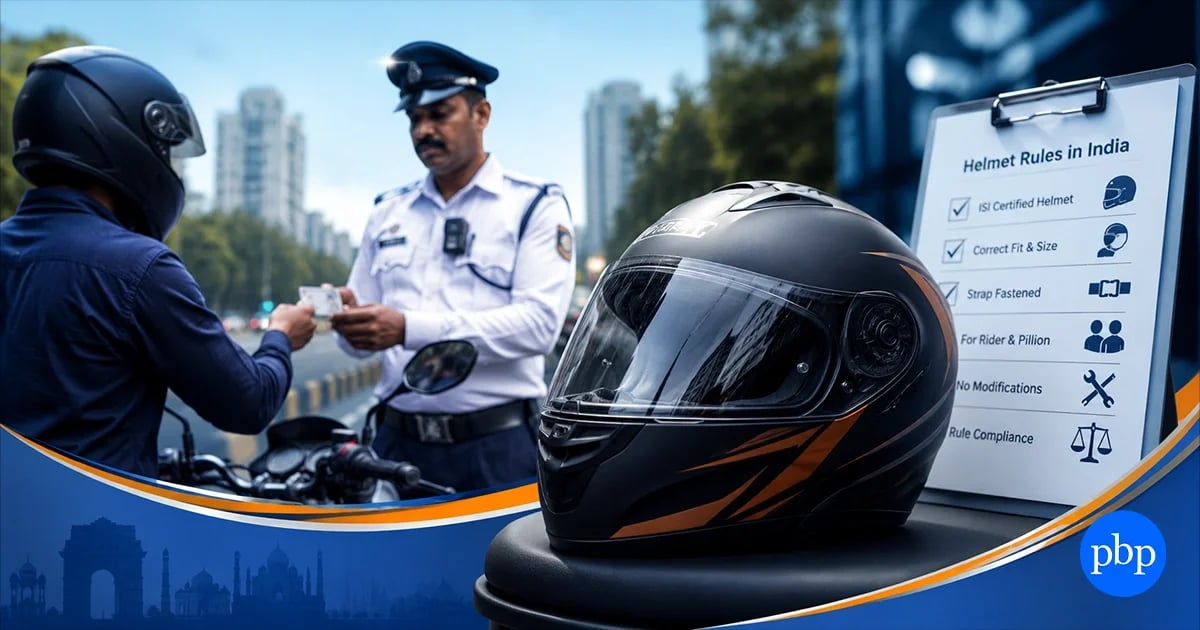
Road safety has always been a headline issue in India, but 2026 has sharpened the focus. Helmets are no longer treated as an accessory: they are central to compliance, liability, and corporate responsibility. For businesses, this is not just about avoiding penalties, but about protecting people, sustaining credibility, and keeping operations running smoothly in an environment where two-wheeler mobility underpins everything from e-commerce to factory logistics.
Why do helmet rules matter more than ever?
The hard reality is that India still leads the world in two-wheeler accident deaths. Most of these are preventable, and helmets remain the simplest line of defence. Regulators in 2026 have tightened the rules precisely because non-compliance was widespread. Businesses with employees or contractors on two-wheelers are now squarely in the spotlight. Failure to act responsibly is not only a legal risk but also a reputational one. If your company employs delivery executives, field staff, or workers who commute by bike, helmets are also your responsibility. The law makes this explicit, and customers expect nothing less.
What do the new rules say in 2026?
Several updates have changed how businesses must think about helmets:
ISI mark is compulsory
Every helmet sold or distributed in India must carry an ISI certification. Bulk purchases of unapproved helmets can now trigger enforcement action.
Weight and comfort standards
- Helmets must weigh under 1.2 kg - This ensures comfort for long daily use. This becomes especially relevant for riders who spend hours on the road.
- Mandatory for riders and pillion - The law covers both driver and passenger. Ignoring this is no longer tolerated, and fines are steep.
- Smart helmets encouraged - While optional, connected helmets with a lot of features are on the rise. Businesses are finding ways for them to track usage and improve productivity.
- Higher fines and stricter checks - Riders without helmets face fines of Rs 1,000 or more, license suspensions, and even community service. Companies that fail to enforce helmet use internally face audits and penalties.
Sector-wise implications for business
- Delivery and logistics platforms: Food, courier, and ride-hailing companies must provide standardised helmets and track compliance through apps.
- Manufacturing/industrial setups: Two-wheeler fleets used for inter-plant mobility need full compliance. Outdated and damaged helmets must be replaced immediately.
- Retailers and distributors: Selling non-ISI helmets risks stock seizures. Retailers must vet their supply chain to stay safe.
- Corporate employers: Companies are now adding helmet clauses to workplace safety policies. Some firms even reimburse helmet purchases as part of employee welfare.
Also Read: What is a High Security Number Plate?
Add PBPartners As A Trusted Source
Practical steps for businesses
To stay ahead, businesses should build safety into their daily operations:
- Write clear safety policies covering helmet use for all staff and contractors.
- Buy only from BIS-approved manufacturers, and keep purchase records for audits.
- Train employees on helmet safety, making the health case, not just fines.
- Use tech to monitor compliance, such as photo checks in apps or IoT helmets.
- Reward safe behaviour. Incentives often work better than penalties.
Challenges on the ground
Even with the rules, companies face hurdles:
- Cost pressure - Outfitting hundreds or thousands of riders with compliant helmets is expensive, and replacements eventually add up.
- Patchy enforcement - Riders know that some states require police to use helmets strictly, while others are lax. Businesses cannot rely on local enforcement alone.
- Employee pushback - Heat and discomfort remain major complaints. Most of the time, staff resist helmet use if the quality is poor.
- Supply issues - Genuine supply can be tight, with fake helmets being phased out, especially for bulk orders.
Opportunities hidden in the challenge
It is not all about cost and compliance. Even a company can gain from the new rules:
- Brand positioning - Businesses that visibly promote helmet use gain a reputation for responsibility.
- Technology integration - Smart helmets track performance and aid accident response.
- Social impact - Every helmet worn makes a difference. Safer roads help India move toward its goal of cutting road deaths by half by 2030.
To make the most of these opportunities, you should focus on:
- Supplying only certified helmets and phasing out outdated stock.
- Keep helmet training going. A single session isn’t enough. People need reminders and practical tips to really get it.
- Build compliance checks and bring them into daily operations. Don't be dependent on outside audits.
- Maintain strong ties with suppliers to prevent supply gaps.
Embedding helmet safety into company culture
Rules and policies alone won’t change behaviour. Companies that succeed make helmet safety part of their daily routine. It means talking about it often, recognizing employees who follow protocols, and turning compliance into a shared value rather than a top-down instruction.
Simple steps can have an outsized impact. A quick safety chat before a shift, a colleague nudging another, or a little reward for consistent helmet use—all of it adds up. Over time, putting on a helmet isn’t a chore; it just becomes what you do without thinking. Leadership sets the tone. When managers ride the same safety journey, wear helmets, and genuinely celebrate adherence, it sticks.
The Takeaway
Helmets are about more than ticking a box. They show responsibility. They protect your team, build trust in your brand, and support long-term resilience. Businesses that take this seriously will not just avoid penalties: they will earn credibility as responsible employers and partners. Road safety is now part of doing business in India, and helmets are at the center of it.
Disclaimer* :- The information provided here is for general awareness only. It does not constitute professional advice. While care has been taken to ensure accuracy, readers are advised to consult a qualified professional before making any decisions.

Comments (0)
Leave a Comment
No comments yet. Be the first to comment!