What is ORVM in Cars? Safety Tips & Car Mirror Guide
ORVM (Outside Rear View Mirror) helps drivers monitor adjacent lanes, reduce blind spots and improve road safety. Learn about ORVM meaning, modern features, proper adjustment, maintenance, replacement, and how ORVM damage affects comprehensive car insurance claims.
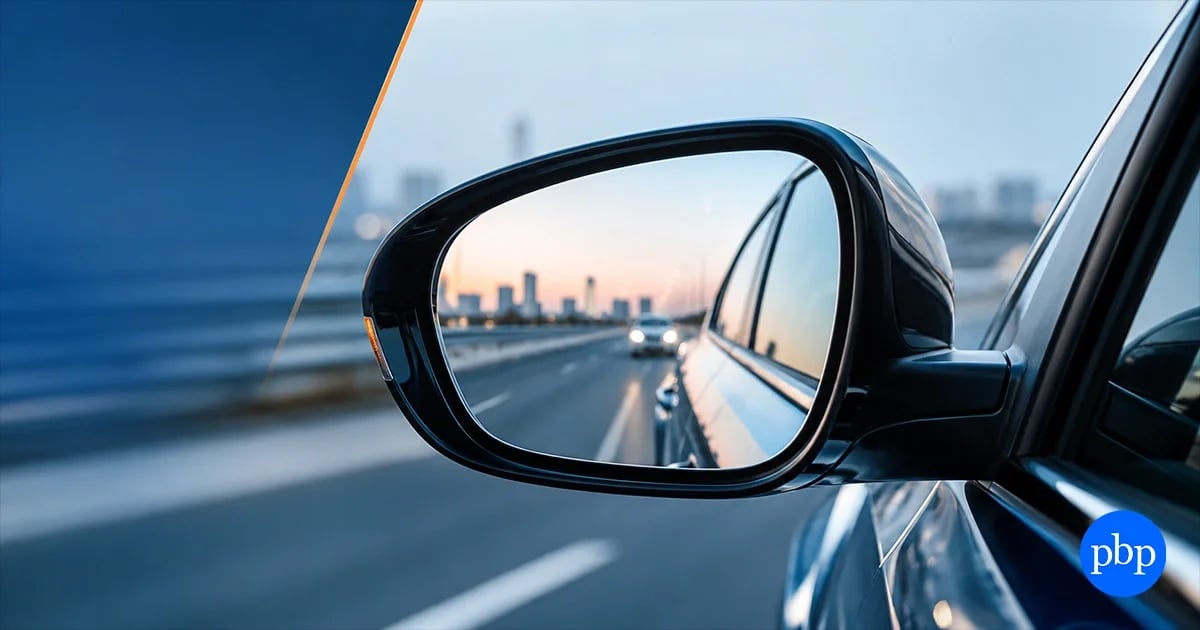
When we talk about car safety, we often think of seat belts, airbags, and brakes. But one crucial safety feature that drivers use every single day often goes unnoticed: the ORVM. While often simply called "side mirrors," these components have evolved into sophisticated safety devices. What many car owners don’t realise is that ORVM damage is closely linked to car insurance coverage, and understanding this connection can help you save money and avoid claim confusion.
What is an ORVM in a Car?
The ORVM full form in the car is Outside Rear View Mirror. They are positioned on the outside of the car, generally on the front doors or A-pillars. The main purpose of ORVM in car systems is to serve as an additional pair of eyes to the driver, to monitor the traffic in the adjacent lanes and to identify the obstacles that are otherwise concealed in blind spots.
An ORVM in a car is a safety and accuracy issue. Most current ORVMs use convex glass which bulges out somewhat. The design provides a larger field of view than flat mirrors, although the usual caution is inscribed into the glass: "objects in mirror are closer than they appear."
Key Features of Modern ORVMs
As automotive technology advances, the humble side mirror has gained several functional upgrades that assist drivers in various weather and traffic conditions.
1. Heated ORVM
If you live in a cold or humid region, you may have wondered what a heated ORVM is in car specifications. These mirrors contain an internal heating element, often a thin conductive film or wires, behind the glass. When activated, typically alongside the rear windshield defogger, the element warms the glass to melt ice, clear frost, or evaporate fog. This ensures clear visibility on chilly mornings without the need for manual scraping.
2. ORVM Indicator
An ORVM indicator in a car refers to a turn signal light integrated directly into the mirror housing. These are often called side turn-signal repeaters. Because they are positioned at the widest point of the car, they are more visible to other motorists and pedestrians, particularly those in the driver’s blind spot who might not see the main indicators on the car's body.
3. Retractable ORVM
Navigating narrow Indian streets or tight parking slots is easier with a retractable ORVM in car. These mirrors are also known as "power-folding" mirrors. They can be folded inwards toward the car body using a motor. This prevents them from being clipped by passing vehicles or pedestrians when the car is parked.
Difference between ORVM and IRVM
While both are rearview mirrors, they serve different purposes. To understand how ORVMs differ from the mirror inside your car, here’s a quick comparison.
| Feature | ORVM (Outside Rear View Mirror) | IRVM (Inside Rear View Mirror) |
| Location | Mounted on the exterior (doors/A-pillar). | Mounted inside the top centre of the windshield. |
| Main Function | Covers side lanes and reduces blind spots. | Shows the view directly behind the car through the rear glass. |
| Field of View | Wide (Convex mirror). | Narrow (Flat or auto-dimming mirror). |
| Adjustability | Manual, internal lever, or electric. | Usually manual; some offer auto-dimming. |
How to Properly Adjust ORVMs for Maximum Visibility
Before each trip, make sure your mirrors are properly aligned for maximum visibility and minimal blind spots.
Adjust Before Driving
Change your seating position. Adjust the seat and steering wheel and set both ORVMs to get you the greatest possible vision of the lanes beside your vehicle.
Reduce Blind Spots
Adjust the mirrors so that you can just see a small part of your car at the inside edge of each mirror. This increases the coverage of the neighboring lane.
Align with the Driver's Position
The mirror settings should always be reflected in the driver’s seat. Reset the ORVMs before beginning if someone else is driving the vehicle.
Avoid Common Adjustment Mistakes
Don’t slant your mirrors too much inward; you’ll end up with overlapping views from the inside rearview mirror, and more blind spots.
Recheck Mirror Alignment Periodically
Mirror placements can alter due to folding, servicing or unintentional impact. Check their fit and alignment often, especially before long-distance travel.
Driving Habits That Help You Use ORVMs More Effectively
Safe driving depends not only on properly adjusted mirrors but also on consistent mirror usage.
Good driving habits include:
- Checking ORVMs before changing lanes
- Monitoring surrounding traffic every few seconds
- Using ORVMs while parking and reversing
- Coordinating ORVMs with the inside rear-view mirror
- Performing shoulder checks whenever necessary
- And not merely depending on blind spot monitoring systems or back view cameras

How to Maintain or Replace Your ORVM?
ORVMs are vulnerable to damage from cyclists, narrow gateways or small collisions as they extend out from the vehicle.
Signs That Your Car's ORVM Needs Repair or Replacement
The ORVM should be checked whenever its performance or stability is impaired. Typical indicators are:
- Loose or vibrating mirror housing
- Cracked or shattered mirror glass
- Electric adjustment not working
- Heated mirror function not operating
- Faulty turn indicators
- Damaged folding mechanism
- Water entering the mirror assembly
Minor problems such as mirror glass or indicator lens replacement are fixable. However, serious structural damage or electrical failure will typically require the ORVM to be replaced in its whole in order to preserve safe visibility.
How to Remove ORVM in a Car?
If you need to replace a broken unit or a blown indicator bulb, here is a general advice on how to remove the ORVM from a car:
- Disconnect Power: If you have electric or heated mirrors, disconnect the automobile battery to avoid electrical shorts.
- Remove Inner Trim: Typically there is a plastic triangle trim behind the mirror mount inside the car. Carefully pry this off with a tool.
- Remove the Housing: Generally, there are three nuts or bolts which secure the mirror to the door. Loosen these but hold the mirror from the outside so it doesn’t fall.
- Disconnect Wiring: Pull the mirror away carefully and disconnect the electrical harness.
- Installation Reverse: Place the new mirror, hook the wire in place and tighten the bolts.
ORVM Maintenance Check List
Regular check-up and simple maintenance will ensure your ORVMs work fine and provide clear visibility while driving. Use the checklist below to monitor their condition and identify potential issues before they affect road safety.
| Check | Recommended Frequency |
| Clean mirror surface | Before every drive |
| Check for cracks or damage | Weekly |
| Verify mirror alignment | Before long journeys |
| Test electric adjustment (if equipped) | Monthly |
| Inspect folding mechanism | During routine vehicle servicing |
Common ORVM Mistakes That Can Increase Accident Risk
Mirrors are often tampered and this causes more road accidents. Common errors are:
- Driving with ORVMs folded
- Ignoring broken or damaged mirrors
- Having mirrors out of alignment
- Simply relying on rear-view cameras
- Not checking mirrors before overtaking or changing lanes
- Uncleaned mirrors
Properly set and working ORVMs greatly enhance the awareness of surroundings and safety on the road.
Why ORVMs Matter During Insurance Claims After an Accident
ORVM damage is not just a repair issue but can affect motor insurance claims too. After the accident:
- Get images of any damage to the ORVM before it is fixed.
- Report all damage to mirrors and start an insurance claim process.
- The insurance company will decide whether the mirror can be repaired or replaced.
- A comprehensive car insurance or own damage policy normally covers the damage to the ORVM.
- In settling claims, depreciation, deductibles and policy terms may be considered.
- If you had a damaged ORVM before an accident, this could impair claim assessment if it led to decreased visibility.
Using an IDV calculator, drivers can also check the vehicle’s insured value which may be considered while assessing the repair cost after an accident. It helps in estimating the overall insurance coverage while planning for the claim.
How ORVM Affects Your Car Insurance Claim?
ORVM damage is covered only under the comprehensive or own-damage insurance. Pre-existing or unrepaired ORVM damage may lead to deductions or rejection of the claim. Depreciation and deductibles will go into your claim settlement. Driving with a faulty ORVM can cause complications in claim assessment owing to neglect of safety.
ORVM in a car is a must-have safety tool. From the simple manual glass of the past to modern versions with heating elements, turn indicators and auto-folding mirrors, they play an important role in accident prevention. By properly setting and maintaining your ORVM in the automobile, you are making your drive safer and more confident on the road.
Disclaimer* :- The information provided here is for general awareness only. It does not constitute professional advice. While care has been taken to ensure accuracy, readers are advised to consult a qualified professional before making any decisions.
FAQs
Is it legal to drive without an ORVM in India?
No. The law in India mandates working ORVMs for safety reasons. Driving without or with broken mirrors can lead to a fine, as it significantly raises the likelihood of accidents when changing lanes.
Can I install heated ORVMs in my old car?
Yes, there are aftermarket kits available. But it does mean replacing the mirror glass and running new wiring to a power source, typically the rear defogger circuit. Professional installation is recommended for protecting your car's electrical system.
What does "auto-dimming" ORVM mean?
In some luxury cars, mirrors that automatically dim when they detect bright glare from headlights of cars behind you at night. This avoids blinding the driver with high beams.
Why is one mirror different from the other?
In some countries the driver's side mirror is flat to give a more accurate perception of distance and the passenger side mirror is convex to give a wider coverage area. In India both are normally convex to give the widest possible view in dense traffic.
How do I protect my electric folding mirrors from being damaged by people pushing them?
Most modern power-folding systems are engineered with a manual override or a "clutch" mechanism. While it’s not ideal to force them manually, a one-off push by a passerby usually won't break the internal motor.
How filing a claim for ORVM damage reduces your No Claim Bonus (NCB)
The No Claim Bonus (NCB) is provided by the insurers for no claims during the policy year. Regardless of whether the claim is small or not, an ORVM damage claim is still an own-damage claim. This means that your NCB becomes zero in the next renewal and you have to pay a higher premium for next year.
How should ORVMs be adjusted for safe driving?
Set the driver’s seat and then adjust the mirrors. Mount them outward so that only a tiny part of the car is visible, which minimises blind spots and provides the best coverage of surrounding lanes.
When should an ORVM be replaced instead of repaired?
Replacement is generally recommended if the mirror housing is broken, the folding mechanism is damaged, electrical functions fail completely or the mirror cannot be securely mounted.
Can damaged ORVMs affect road safety?
Yes. Cracked, loose or badly fitted ORVMs impair visibility, increase blind spots and make lane changes and overtaking more dangerous.
Are ORVMs covered under comprehensive car insurance?
Yes. In general, damage to ORVM will be covered by a comprehensive car insurance or own damage car insurance policy, depending on the policy conditions, deductibles and depreciation.
Can ORVM damage be claimed under motor insurance?
Yes. Damage caused by an insured event can usually be claimed under a comprehensive policy. Third-party insurance does not cover damage to your own vehicle.
Do modern cars have automatic ORVMs?
Many modern vehicles offer electrically adjustable and power-folding ORVMs. Higher variants may also include heating, integrated turn indicators, memory settings and blind-spot monitoring.
What are the common mistakes drivers make while using ORVMs?
Typical mistakes are driving with folded mirrors, incorrect adjustment of mirrors, ignoring broken mirrors, relying only on rear view cameras and not checking mirrors when changing lanes.


Comments (0)
Leave a Comment
No comments yet. Be the first to comment!