What is the Difference between IPD and OPD?
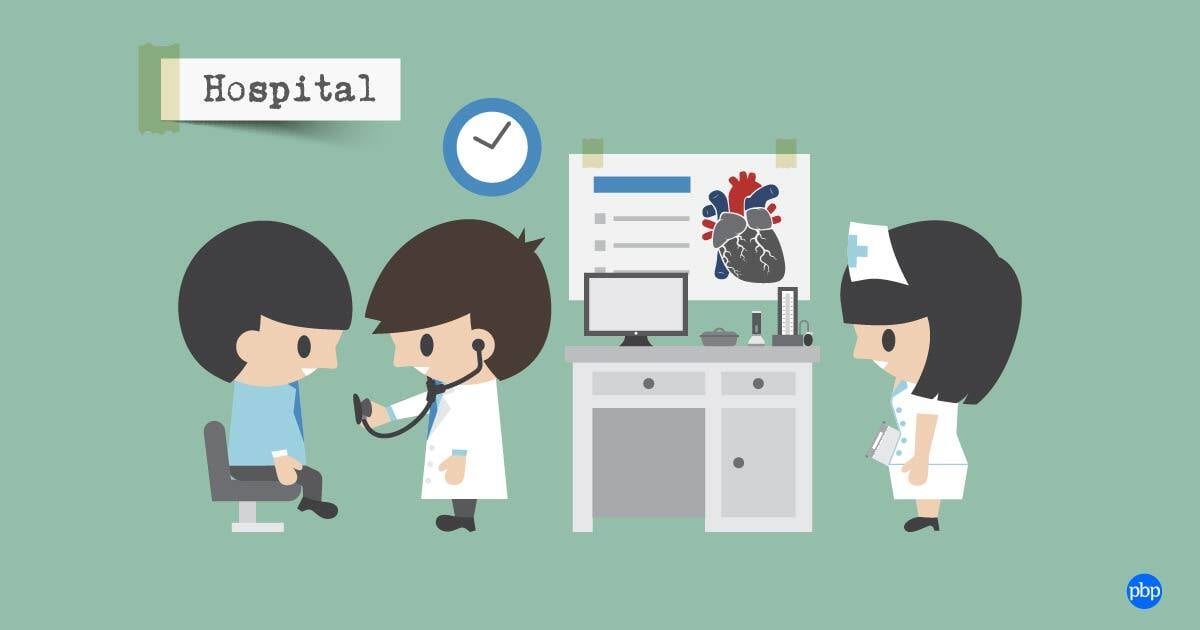
When considering health insurance, it's important to understand the difference between OPD and IPD. OPD (Outpatient Department) refers to visiting a doctor for consultations or treatments without being admitted to the hospital, such as for a routine check-up.
On the other hand, IPD (Inpatient Department) involves being admitted to the hospital, usually for surgeries or serious health conditions. For example, critical illness insurance often requires IPD coverage, as it typically involves hospitalization. Knowing the difference between OPD and IPD helps you make an informed choice when selecting health insurance and ensures you're prepared for any medical situation.
In this blog, we will explore
What is IPD?
IPD stands for In-Patient Department treatment, wherein a person is admitted to the hospital for any serious medical conditions.
For instance, if you are undergoing surgery or require prolonged care, you will be admitted to the hospital as an inpatient. This is where the IPD treatment under health insurance comes into play. Normally, health insurance, especially critical illness insurance, covers these hospital stays. Hence knowing the OPD IPD full form is essential in choosing the right policy. In the debate between OPD vs IPD, IPD treatment is necessary where your health requires more intensive and round-the-clock medical
Key Features of IPD
- Hospital Admission: Patients are admitted for at least 24 hours or more.
- Intensive Care: Includes procedures like surgeries, post-operative care, or treatment for severe illnesses.
- Facilities Provided: Room accommodations, nursing care, diagnostic tests, and meals.
- Insurance Coverage: Typically covered under health insurance policies as “hospitalization expenses.”
Examples of IPD Treatments
- Major surgeries (e.g., heart surgery, organ transplants)
- Severe infections requiring intravenous medication
- Treatment for chronic illnesses like cancer or kidney failure
Also Read: What is PPN Rate in Health Insurance?
What is OPD?
OPD, or Out-Patient Department, refers to medical services provided to patients who visit a hospital or clinic for diagnosis or minor treatment and leave the same day. OPD caters to patients who do not need to be admitted.
Key Features of OPD
- No Admission Required: Patients visit for consultations, diagnostics, or minor procedures.
- Short Visits: Typically lasts a few hours or less.
- Services Included: Doctor consultations, diagnostic tests, vaccinations, or minor treatments.
- Insurance Coverage: Some health insurance policies offer OPD coverage as an add-on benefit.
Examples of OPD Treatments
- Routine health check-ups
- Diagnosis of common illnesses like fever or flu
- Minor surgeries or wound dressing
- Physiotherapy sessions
Difference between OPD and IPD
| Key factors | OPD | IPD |
| Hospitalization | OPD does not require admission | IPD involves hospital admission |
| Cost | IPD treatments are generally more expensive due to surgeries, hospital stays, and intensive care. | OPD expenses can also be significant depending on the diagnosis. |
| Insurance Coverage | Many health insurance policies cover IPD expenses | OPD coverage may be available as an add-on. |
| Care Level | Intensive care with 24/7 monitoring | Routine consultations and minor treatments |
| Facilities Provided | Hospital room, food, and other amenities | No room or boarding facilities provided |
Conclusion
IPD and OPD are crucial in providing medical care, each suited to different patient needs. While IPD offers extensive and continuous treatment for severe conditions, OPD offers convenient and affordable care for routine visits. Understanding the difference can help patients choose the appropriate medical service based on their health requirements.
Whether you're receiving care in the IPD or OPD, healthcare expenses can be significant. This is where health insurance becomes a crucial part of your financial planning. Health insurance can help alleviate the financial burden of medical treatment, especially in scenarios where extended care is required.
FAQs
Related Articles

Heat Stroke vs. Heat Exhaustion: Symptoms & Life-Saving First Aid
Know the difference between heat exhaustion and heat stroke. Identify key symptoms like dizziness and high fever, and learn life-saving first aid steps now.

What is Grace Period in Health Insurance?
What is the grace period in health insurance? Understand its duration, benefits, and impact on your policy coverage.
Comments (0)
Leave a Comment
No comments yet. Be the first to comment!